
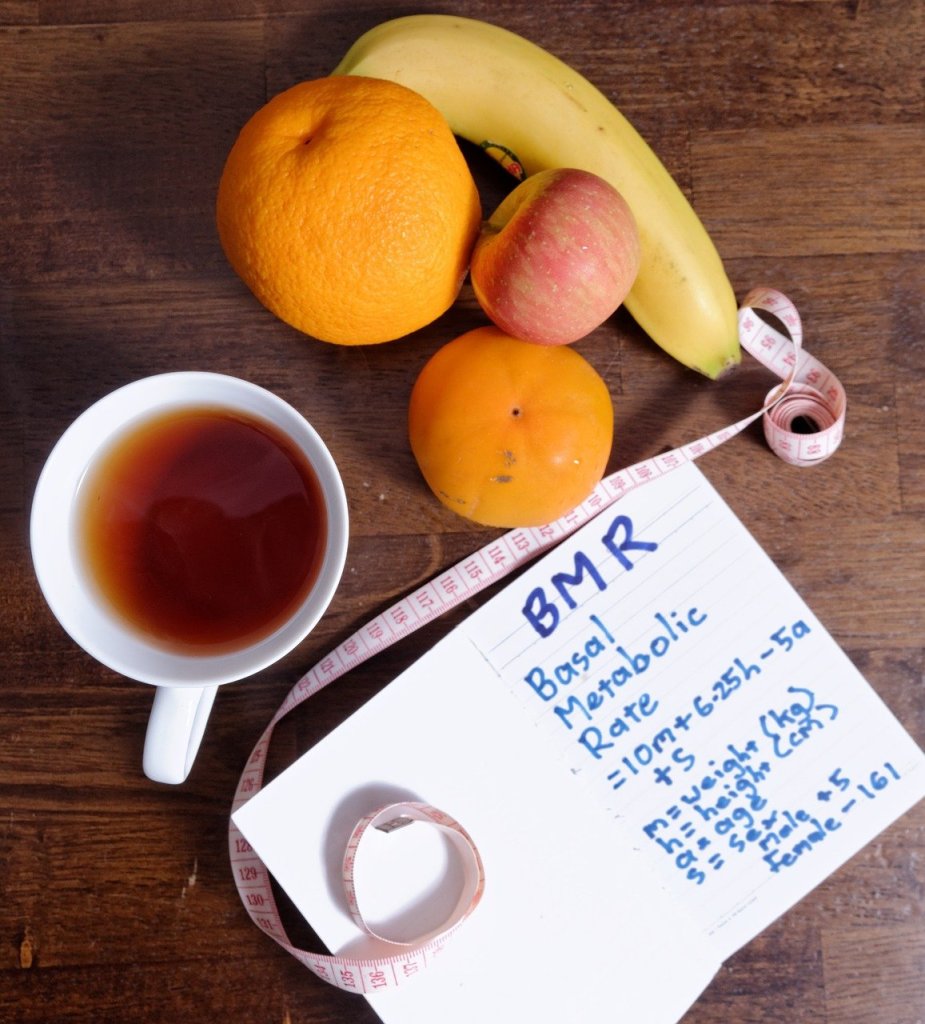
Many round the world always searching for a way to lose weight and belly fat naturally and easily.
If you’ve ever had trouble keeping track of your weight, you’ve undoubtedly blamed it on your metabolism. But what exactly is metabolism, and how does it work?
According to the National Institutes of Health, the term metabolism refers to all energy-consuming systems in the body, however it is most typically used when discussing weight.
“When someone says, ‘I have a fast metabolism,’ they usually mean their capacity to lose weight or maintain a healthy weight,” says Caroline Cederquist, MD, a bariatric medicine specialist in Naples, Florida.
Here are 3 simple ways in which you can easily boost your Metabolic system without side effects for effective weight reduction.
1.More protein in your diet may help you lose weight.
Your brain, particularly a portion called the hypothalamus, actively regulates your weight .
Your brain must interpret a variety of various types of information in order to determine when and how much to eat.
Hormones that vary in reaction to food provide some of the most critical signals to the brain.
Increased protein intake raises levels of the satiety (hunger) hormones GLP-1, peptide YY, and cholecystokinin while lowering levels of the hunger hormone ghrelin.
You can lower the hunger hormone and increase multiple satiety hormones by substituting carbs and fat with protein.
This results in a significant reduction in appetite, which is the primary reason protein aids weight loss.
2.Vitamin D Has the Potential to Affect Metabolism
Vitamin D is best known for its function in bone health and happy emotions, but new research suggests it may also have a role in metabolism and weight loss. In one prior study, women who were vitamin D deficient lost more weight when their blood levels of vitamin D were raised to recommended levels. According to the National Institutes of Health, vitamin D insufficiency can cause bone discomfort and muscle weakness. Don’t assume your vitamin D levels are where they need to be just because you take pills. When the women in the study took vitamin supplements, they absorbed varied levels of the vitamin
Consult your doctor to assess your levels. According to the National Institutes of Health, all you need is a simple blood test.
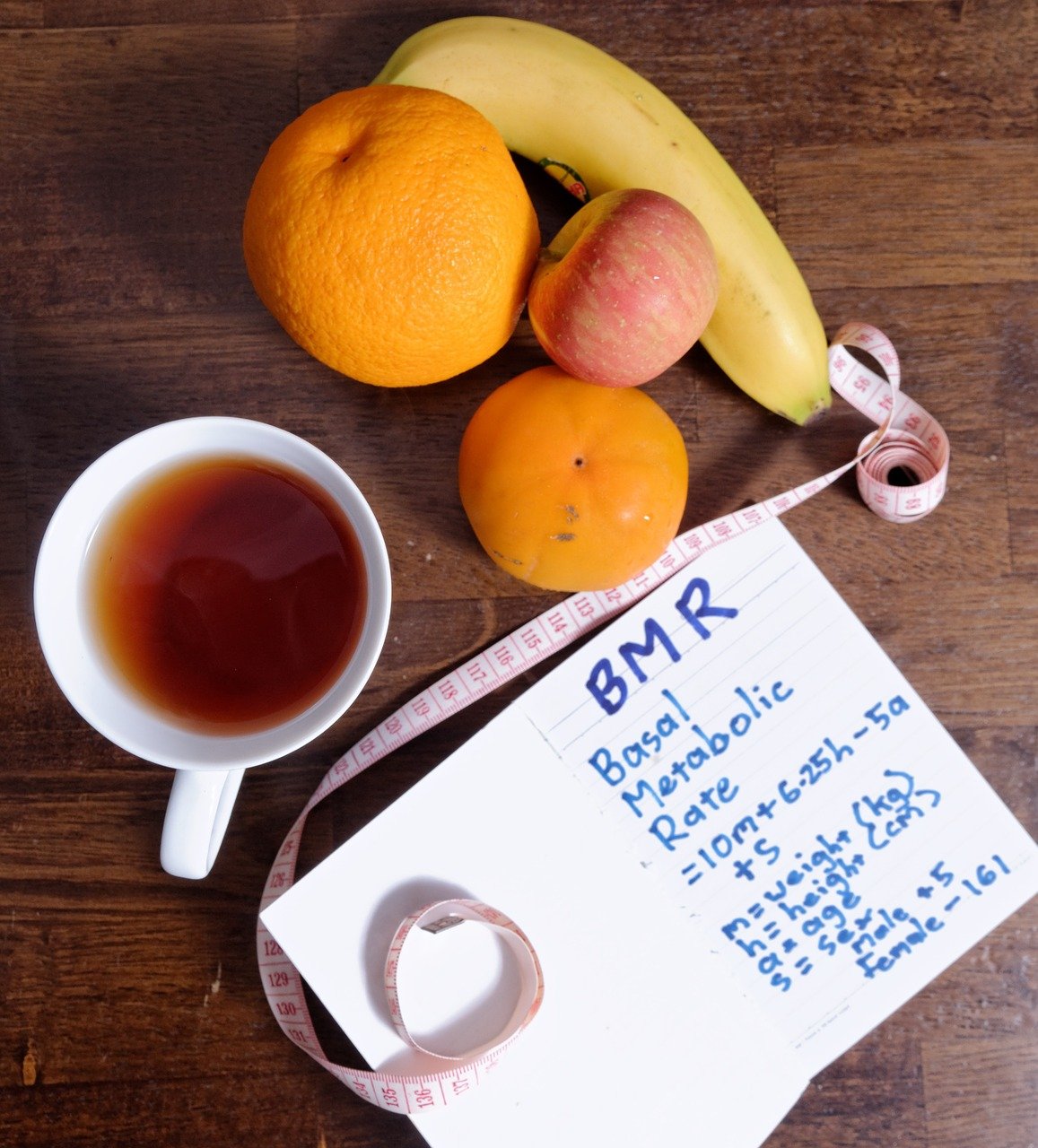
3.It’s All About Your BMR (Basal Metabolic Rate).
The total number of calories you burn in a day, also known as your total daily energy expenditure, is determined by a number of factors. BMR is one of them (TDEE). According to the National Strength and Conditioning Association, it accounts for 65 to 70% of your TDEE. Genetics, biological sex, age, physical size, and lean body mass all influence TDEE. The state of one’s hormones can have an impact on one’s metabolism.
Church defines BMR as “the absolute minimum metabolic rate.” According to the American Council on Exercise, it is normally assessed solely in laboratory conditions, with persons conducting measures in a darkened, temperature-controlled room immediately after 8 hours of sleep and 12 hours of fasting and reclining.
In the meantime, “RMR” stands for “metabolic rate at rest, awake, and sitting motionless.” RMR testing does not necessitate a fast and can be done at any time of day. According to the National Strength and Conditioning Association, RMR is typically 10 to 20% greater than BMR.
 Beautiful&Fit
Leave a comment